


Best Cot Bed
Add a review FollowOverview
-
Founded Date May 1, 2008
-
Sectors Accounting
-
Posted Jobs 0
-
Viewed 46
Company Description
How To Tell The Baby Cot To Bed That’s Right For You
Transitioning from Baby Cot to Bed: A Comprehensive Guide for Parents
The journey from a baby cot to a bed marks a substantial milestone in a kid’s development. It signifies self-reliance and a step toward growing up. However, this transition can frequently be intimidating for both moms and dads and kids. Comprehending the process, the best timing, and how to make the shift smoother can substantially help in this journey. This short article checks out the important to think about when transitioning your child from a cot to a bed, including common FAQs, tips, and a structured plan to ensure the procedure is as smooth as possible.
Why Transition from a Cot to a Bed?
Developmental Milestones
Transitioning to a bed is normally prompted by several aspects:

-
Physical Growth: As children grow, they outgrow their cots. The typical size for a convertible cot is typically meant for infants approximately 3 or 4 years of ages.
-
Cognitive Development: As toddlers end up being more curious and familiar with their environments, they might try to climb up out of their Nursery Cots, positioning safety dangers.
-
Potty Training: Once a kid is potty trained, they might require much easier access to the bathroom, which a bed can facilitate.
-
Siblings: The arrival of a new sibling can also necessitate this transition, as the cot may need to be maximized.
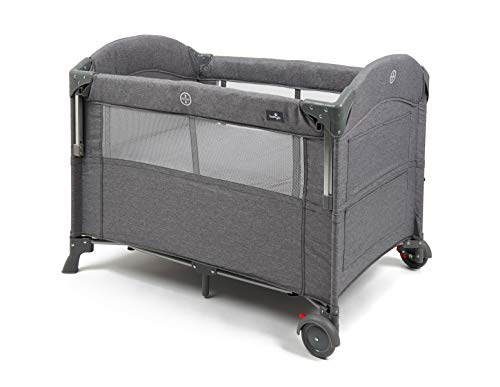
When to Make the Transition
There is no one-size-fits-all response to when a child need to transition from a cot to a bed. However, here are some signs that it may be time:
- Climbing Out: If the kid is trying to climb out often.
- Age Consideration: Many experts suggest this shift around the age of 2 to 3 years, although every kid is unique.
- Need for Independence: Children may reveal a desire for a big-kid bed.
Kinds Of Beds Suitable for Toddlers
Not all beds are developed equivalent when it comes to young children. Here’s a breakdown of suitable bed types:
| Bed Type | Description | Pros | Cons |
|---|---|---|---|
| Toddler Bed | Smaller sized, lower to the ground, typically with side rails. | Size-appropriate for young children; stability. | Minimal life-span as they grow out of quickly. |
| Single Bed | Requirement size bed suggested for older kids. | Lasts longer; can be used for many years. | May be too big for a young child; threat of falling. |
| Convertible Crib | Crib that changes into a young child bed. | Versatile; conserves cash in the long run. | Can be expensive; some might not use full-sized options. |
| Loft Bed | Raised bed with area underneath for play or storage. | Optimizes space; enjoyable for kids. | Not suitable for very young kids; security issues. |
Steps to Transition Smoothly
Transitioning to a bed can be simplified with mindful preparation. Here’s a step-by-step guide:
1. Prepare the Space
- Select a Location: Decide where the bed will be put.
- Childproof the Room: Since young kids are naturally curious, guarantee that furnishings is steady, sharp edges are covered, and hazardous items run out reach.
- Keep Familiar Items: Retain favorite toys and bedding to use convenience in the brand-new environment.
2. Introduce the Bed
- Include Your Child: Let your kid help choose their bed or bedding to develop enjoyment.
- Describe the Transition: Make them comprehend that they are ending up being a big kid by having a big-kid bed. Use encouraging language.
3. Make the Swap
- Bedtime Routine: Keep the bedtime routine consistent. This produces familiarity and comfort during the shift.
- Assistance: Offer them peace of mind however prevent being excessively protective; it’s essential to encourage independence.
4. Address Fears and Concerns
- Talk About Fears: Children may have worries of falling or the dark; discuss these honestly.
- Strengthen Safety: Use guard rails on the bed initially and discuss what to expect throughout the night.
5. Monitor and Adapt
- Be Patient: It may take time for your kid to adjust totally.
- Stay Consistent: Maintain the nighttime routine, even when troubles emerge.
FAQs Regarding Transitioning from Cot to Bed
Q1: How long does the transition from a cot to a bed generally take?
A1: The shift can vary considerably amongst kids– varying from a few days to a couple of weeks– as they get used to oversleeping a brand-new space.
Q2: Should I buy an unique toddler bed?
A2: Investing in a young child bed can make the shift simpler given that they are created with safety in mind; nevertheless, if you prefer to go straight to a single bed, that can work too with the best security procedures.
Q3: What if my kid keeps rising?
A3: This is normal! Motivate them to remain in bed and establish positive reinforcement by rewarding them for staying in bed through the night.
Q4: Is it okay to transition to a huge bed too early?
A4: Transitioning too early can result in sleep disturbances. It’s essential to evaluate the readiness of the child based upon their indications and development.
Transitioning from a baby cot to a bed is a significant action for both kids and parents. With thoughtful preparation and understanding of the kid’s requirements, moms and dads can make the shift smoother and more satisfying. By acknowledging when to make the shift, understanding the kinds of beds offered, and preserving a constant regimen, parents can relieve fears and foster a sense of security for their child throughout this exciting brand-new chapter. Ultimately, every child is different, and perseverance is essential in making this journey a positive experience.